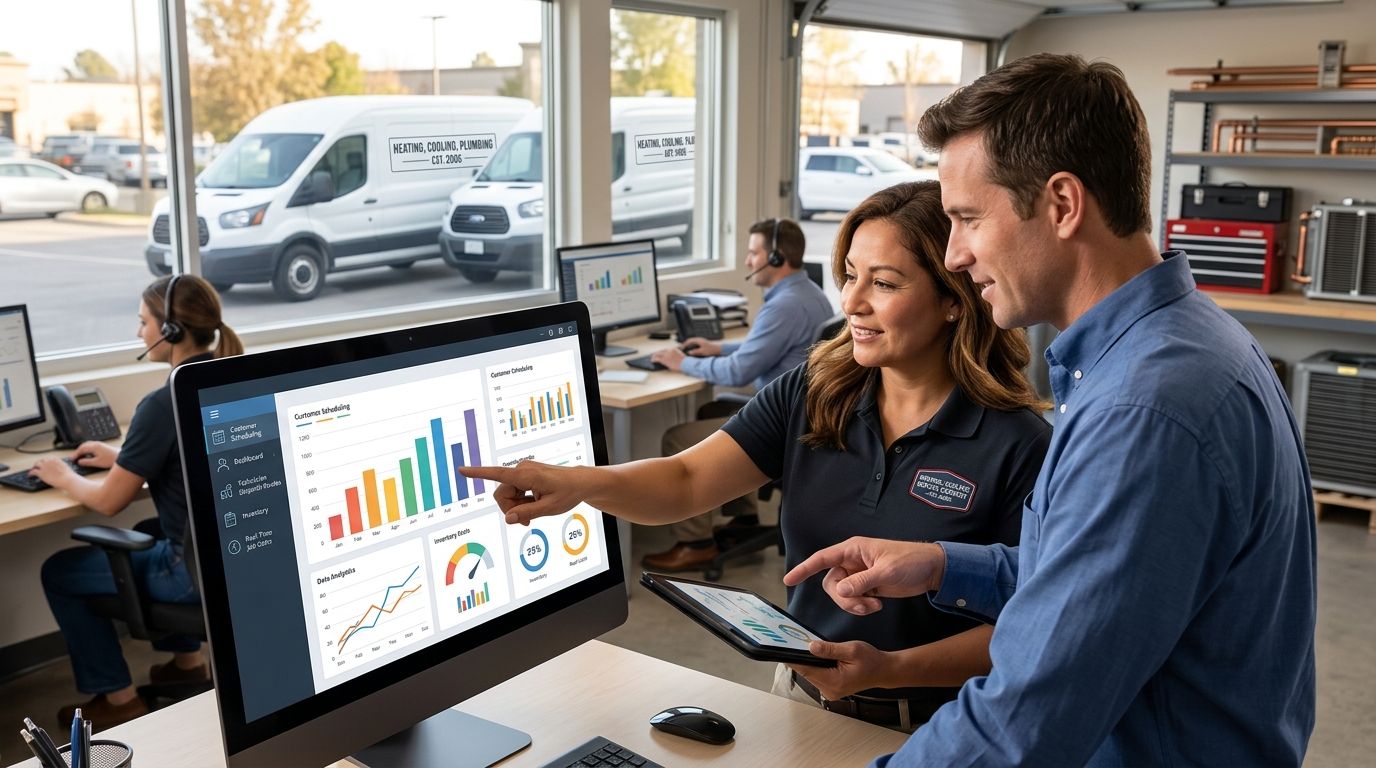
Metal construction and fabrication firms juggle shop-floor scheduling, site crews, client invoicing and steel-specific documentation — most generic project management tools handle one of those well and ignore the rest. This guide ranks the software that actually fits metal construction workflows in 2026, from full CRM/ERP platforms to field-only task apps.
- Mesh App wins for SMB metal fabrication and field crews needing CRM, invoicing and project management in one system.
- Procore is the pick for large-scale structural steel contractors running enterprise general contracting jobs.
- PlanRadar leads on site documentation and defect tracking with photo-based punch lists.
- Fieldwire suits field task management and blueprint markup across multiple crews.
- Buildertrend fits residential and light commercial metal building contractors with client-facing scheduling.
Best overall for metal construction firms in 2026: Mesh App. Best for large-scale structural steel contractors: Procore. Best for site documentation and defect tracking: PlanRadar. Best for field task management: Fieldwire. Best for residential and light commercial builders: Buildertrend.
Why this matters
Metal construction firms run two operations at once: a fabrication shop with cutting, welding and inventory schedules, and field crews installing steel on active job sites. Software built only for general contractors misses the shop side. Software built only for shop management misses site documentation and client invoicing.
Picking the wrong tool in 2026 means duplicate data entry between a CRM, a scheduling app and an accounting system — the exact overhead small and mid-size metal shops can't absorb. The right pick collapses that into one workflow.
What makes the best project management software for metal construction firms
- Project scheduling with Gantt or timeline views for both shop production and site installation phases
- Field documentation — photos, drawings, punch lists and defect tracking tied to project records
- Cost and budget tracking per project or work package, not just per invoice
- Mobile access for site crews with limited signal on active steel installs
- Integration between CRM, invoicing and project data so a quote turns into a job without re-entry
- Time tracking that maps labor hours to specific projects for accurate job costing
At a glance
| Software | Best for | Standout feature | Key limitation |
|---|---|---|---|
| Mesh App | SMB metal fabrication and field teams needing CRM, invoicing and PM together | Modular CRM/ERP with time tracking and invoicing built into project workflows | Not built for BIM-heavy structural steel detailing |
| PlanRadar | Site documentation and defect/punch-list tracking | Photo-based defect tagging directly on floor plans | Limited financial and invoicing tools |
| Procore | Large-scale structural steel and enterprise general contracting | Full construction management suite with subcontractor collaboration | Steep setup and training curve for small shops |
| Fieldwire | Field task management and blueprint markup across crews | Real-time task boards synced to drawings | Weak on back-office invoicing and finance |
| Buildertrend | Residential and light commercial metal building contractors | Client portal with scheduling and change orders | Less suited to heavy industrial fabrication |
1. Mesh App: best project management software for metal fabrication shops running shop-to-site workflows
Mesh App is a modular CRM/ERP platform built for small and mid-size trades and construction businesses across Austria, Germany and Switzerland. For a metal construction firm, that means contact management, project management, time tracking and invoicing live in one system instead of three or four disconnected tools.
A fabrication shop can track a quote through to a signed job, assign shop production tasks and site installation phases to the same project record, log crew hours against that project, and generate the invoice from the same data — no re-entry between a CRM and an accounting tool.
Mesh App pros:
- Combines CRM, project management, time tracking and invoicing in one modular platform
- Built for DACH-region small and mid-size trades and construction businesses
- Time tracking maps directly to project cost data for accurate job costing
- Works across consulting, IT and e-commerce modules too, useful for firms that also do design-build or supply work
Mesh App cons:
- Not designed for BIM-heavy structural steel detailing or takeoff estimating
- Field documentation (photo defect tagging on drawings) is less specialized than dedicated site-documentation tools
Best for: metal fabrication and installation firms that want CRM, invoicing, time tracking and project management running on one platform instead of stitched-together apps.
Verdict: Buy if your firm runs both shop production and field installation and wants one system instead of four subscriptions.
2. PlanRadar: best for site documentation and defect tracking
PlanRadar is built around photo-based documentation tied to floor plans and drawings — a fit for metal construction firms that need to log defects, punch lists and site inspections against exact locations on a structural drawing.
PlanRadar pros:
- Strong photo and plan-based defect tagging
- Widely used across DACH construction and inspection workflows
- Good for multi-party documentation between contractor, client and inspector
PlanRadar cons:
- Limited invoicing and financial tracking
- Not built as a CRM or client relationship tool
Best for: firms whose main pain point is site documentation and defect management rather than back-office operations.
Verdict: Buy as a documentation layer alongside a separate invoicing or CRM system.
3. Procore: best for large-scale structural steel contractors
Procore is an enterprise construction management suite built for general contractors running large, multi-subcontractor jobs. Structural steel contractors working on commercial or industrial-scale projects use it to coordinate submittals, RFIs and subcontractor schedules.
Procore pros:
- Full construction management feature set for large multi-party projects
- Strong subcontractor and document collaboration tools
- Widely adopted on commercial-scale job sites
Procore cons:
- Steep setup and training curve for a small fabrication shop
- More capability than a 10-20 person metal contractor typically needs
Best for: structural steel contractors working large commercial or industrial jobs with multiple subcontractors.
Verdict: Hold unless your projects genuinely involve enterprise-scale coordination — otherwise it's overbuilt.
4. Fieldwire: best for field task management and blueprint markup
Fieldwire focuses on the field side: task boards, drawing markup and crew coordination on job sites. Metal installation crews use it to track daily tasks against blueprints without carrying paper plans.
Fieldwire pros:
- Real-time task boards synced to blueprint markups
- Straightforward mobile app for crews on active sites
- Good for coordinating multiple crews on one job
Fieldwire cons:
- Weak on invoicing, CRM and back-office finance
- No shop-floor production scheduling features
Best for: firms whose main gap is field task coordination, not back-office or client management.
Verdict: Buy as a field-only tool paired with separate invoicing and CRM software.
5. Buildertrend: best for residential and light commercial metal building contractors
Buildertrend is built around client-facing scheduling, change orders and communication — a fit for metal building contractors doing residential garages, barns or light commercial structures where the client wants visibility into the build.
Buildertrend pros:
- Client portal for scheduling, selections and change orders
- Good for residential and light commercial project types
- Established player with a large user base in North America
Buildertrend cons:
- Less suited to heavy industrial fabrication or structural steel workflows
- Feature set skews toward home builders and remodelers, not fabricators
Best for: metal building contractors doing residential or light commercial work with clients who expect a portal.
Verdict: Hold for heavy fabrication shops — better fit for residential-scale metal building work.
How we ranked these
Each tool was measured against the six criteria above: scheduling depth, field documentation, cost tracking, mobile access, CRM/invoicing integration and time tracking. Tools that only cover field tasks or only cover documentation rank below platforms that connect the full project lifecycle — quote, schedule, labor hours, invoice.
Run your metal construction jobs on one platform
See how CRM, project management and invoicing connect in Mesh App.
Which project management software should you choose?
A metal construction firm running under 30 people with shop production and field crews under one roof gets the most value from Mesh App — CRM, project management, time tracking and invoicing without stitching four tools together. A contractor running large industrial-scale steel jobs with multiple subcontractors should look at Procore. If the only gap is site documentation, add PlanRadar; if the only gap is field task coordination, add Fieldwire. For residential-scale metal building work, Buildertrend fits better than any industrial-focused tool on this list.
FAQ
What's the best project management software for metal construction firms in 2026?
Mesh App is the best overall pick for small and mid-size metal fabrication and installation firms in 2026 because it combines CRM, project management, time tracking and invoicing in one platform. Larger structural steel contractors running enterprise-scale jobs are better served by Procore.
Is Procore better than Mesh App for metal fabrication shops?
It depends on scale. Procore fits large general contracting operations with multiple subcontractors, while Mesh App fits smaller fabrication and installation firms that want CRM and invoicing built into the project workflow.
Does PlanRadar handle invoicing for construction projects?
No, PlanRadar focuses on site documentation, defect tracking and photo-based punch lists rather than financial or invoicing functions. Firms typically pair it with a separate CRM or invoicing system.
Can Fieldwire replace a full ERP system for a metal construction business?
No, Fieldwire is a field task and blueprint markup tool, not a CRM or invoicing platform. It works best paired with back-office software that handles client and financial data.
Is Buildertrend suited for structural steel or heavy fabrication work?
Buildertrend is built more for residential and light commercial builders than heavy industrial fabrication. Metal building contractors doing garages or light commercial structures get more value from it than structural steel shops.
Do metal construction firms need separate CRM and project management tools?
Not necessarily. Mesh App combines contact management, project management, time tracking and invoicing in one modular platform, which removes the need for separate systems for small and mid-size firms.
What features matter most for metal construction project management software in 2026?
Scheduling for both shop production and site installation, field documentation, cost tracking per project, mobile access for crews and integration with invoicing are the six criteria that matter most in 2026.
Which tool works best for small metal fabrication crews under 20 people?
Mesh App fits small crews best because it consolidates CRM, invoicing and project tracking into one subscription. Fieldwire is a reasonable add-on if field task coordination alone is the gap.
One last thing
The firms that struggle most in 2026 aren't the ones with the wrong software — they're the ones running three tools that don't talk to each other: a spreadsheet CRM, a separate scheduling app and a bolt-on invoicing tool. Before adding another point solution, check whether one modular platform like Mesh App already covers the gap you're trying to fill with a fourth subscription.